

Water rights determine who can use water, how much they can use, and when. In New Mexico, these rights are governed by a legal framework that predates statehood and remains one of the most complex areas of real estate law in the state. For buyers and sellers, ignoring water rights is one of the most expensive mistakes you can make.
This guide covers everything you need to know about New Mexico water rights in real estate transactions: the prior appropriation doctrine, priority dates, the difference between surface water and groundwater, how to research water rights before buying, and when to call a professional.
For a deeper dive on water rights that covers acequia systems, conservancy districts, due diligence checklists, and more, visit our complete New Mexico Water Rights resource page.
1. The Basics: What Are Water Rights?
A water right is a legal permission to use a specific amount of water from a specific source for a beneficial purpose. It is not ownership of the water itself -- water in New Mexico is a public resource owned by the state. What you own is the right to use it.
New Mexico follows the prior appropriation doctrine, which is often summarized as "first in time, first in right." This means the person who first put water to beneficial use established a priority date. During shortages or drought, the oldest (most senior) water rights are satisfied before newer (junior) rights. If there is not enough water for everyone, junior rights holders may receive nothing.
One of the most surprising facts for new buyers: water rights are separate from land ownership. You can buy a piece of land and discover that you do not have the right to use the water on it, or that the water rights were severed and sold to someone else decades ago. This is why understanding water rights is essential before closing.
2. Surface Water vs. Groundwater
New Mexico law treats surface water and groundwater differently, and understanding the distinction matters when evaluating a property.
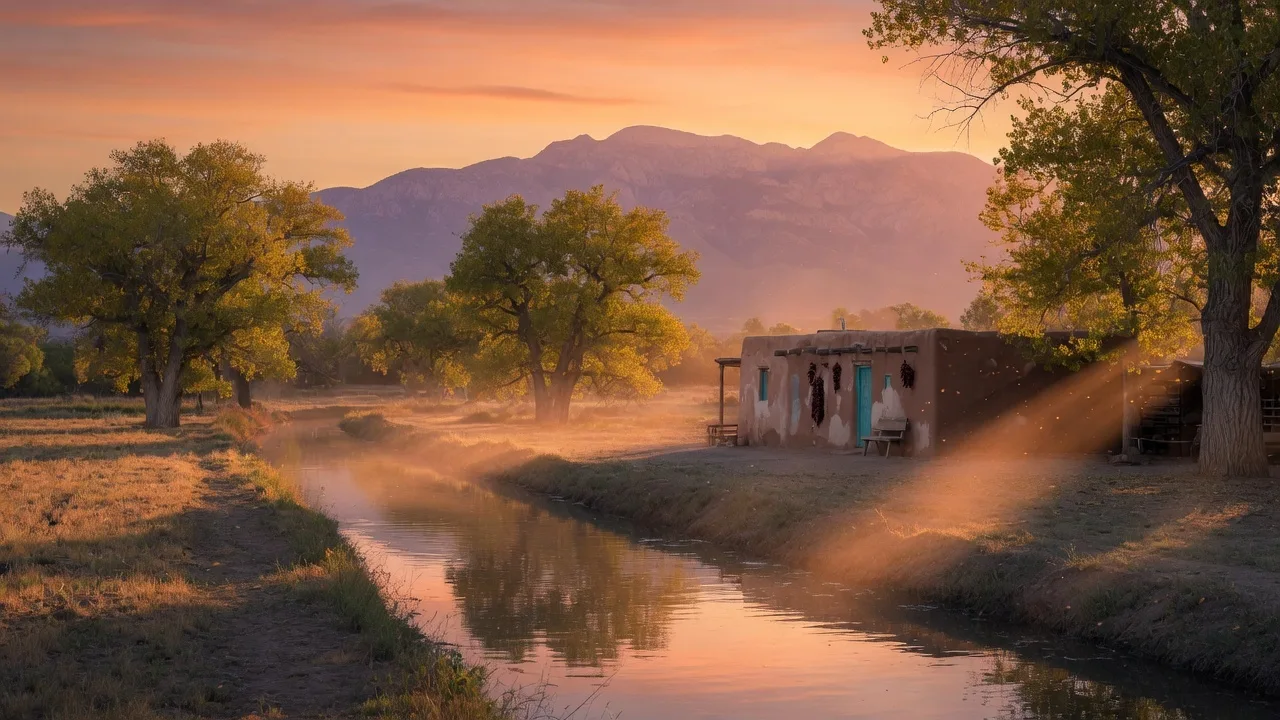
Surface water comes from rivers, streams, lakes, and acequias. These are the oldest water sources in New Mexico, with many rights dating back to the Spanish colonial era and the territorial period. Surface water rights are generally more valuable because they tend to have senior priority dates and are often tied to historic agricultural or acequia communities in the Rio Grande Valley, including Corrales, Los Ranchos de Albuquerque, and the North Valley.
Groundwater comes from wells drilled into underground aquifers. Groundwater rights are regulated through well permits issued by the New Mexico Office of the State Engineer. In many parts of the state, including the Middle Rio Grande region, groundwater basins are declared "fully appropriated," meaning no new wells can be permitted unless you transfer an existing water right to the new location.
Properties in higher elevations or rural areas -- such as Placitas, the East Mountains, or Sandia Heights -- typically rely on groundwater from domestic wells. Understanding the well permit, its limitations, and whether the basin is fully appropriated is critical when evaluating these properties.
3. Why Water Rights Matter in Real Estate
Water rights can dramatically affect property value. A property with adjudicated, senior water rights may be worth tens of thousands of dollars more than a comparable property without them. Conversely, buying a property without understanding the water rights situation can lead to unexpected costs, usage restrictions, and even legal disputes.
Here are the key ways water rights affect real estate transactions in New Mexico:
- Property value: Senior, adjudicated water rights add significant value. Junior, unadjudicated, or severed rights reduce it.
- Financing: Some lenders require proof of adequate water rights before approving a loan, especially for rural or agricultural properties.
- Development potential: Land without confirmed water rights may have limited or no development potential.
- Insurance and liability: Water rights disputes can lead to litigation, and title issues related to water may affect insurability.
- Resale value: A property with well-documented, transferable water rights sells faster and at a premium.
Whether you are buying a home in Albuquerque with municipal water or a ranch in Placitas with a domestic well, understanding the water rights picture is an essential part of your due diligence.
4. Priority Dates Explained
The priority date is the single most important attribute of a New Mexico water right. It is the date when the water right was first established by putting water to beneficial use. Under the prior appropriation doctrine, the priority date determines who gets water first during shortages.
Pre-1907 rights -- those established before New Mexico became a state -- are the most valuable. These rights trace back to Spanish and Mexican land grants, acequia systems, and territorial-era irrigation. Properties with pre-1907 rights in areas like Corrales and the Middle Rio Grande Valley are almost never subject to curtailment during drought.
Senior rights (generally pre-1950) are still well-protected in most water years. These are typically held by established farms, acequia associations, and historic properties. They command a premium in the real estate market.
Junior rights (from the 1970s onward) carry higher risk. In fully appropriated basins, junior rights may receive little or no water during drought. Most new domestic well permits in these areas are effectively junior rights, and buyers should understand the potential for curtailment.
During severe drought, the State Engineer may implement priority administration, shutting off the most junior rights first. Senior rights holders may receive reduced allocations but are rarely cut off entirely.
5. Types of Water Rights
Water rights in New Mexico come in several distinct forms. Knowing the difference helps you evaluate what a property actually offers.
- Adjudicated rights: Confirmed by a court through a formal adjudication process. These are the most secure and valuable water rights because a court has officially decreed the priority date, amount, type, and location of use.
- Decreed rights: Officially recognized by a court order, typically through the same adjudication process. Decreed and adjudicated rights are often used interchangeably.
- Conditional rights: Approved by the State Engineer but not yet perfected through full beneficial use. The holder must complete the project or put the water to use within a specified timeframe, or the right may be lost.
- Domestic well permits: Permits issued by the State Engineer for household use -- drinking, cooking, bathing, and sanitation. Limited to one acre-foot per year for a single-family home. Cannot be used for large-scale irrigation.
- Irrigation rights: Water rights designated for agricultural irrigation, often appurtenant to the land and tied to acequia systems or conservancy districts. These often have early priority dates and can be highly valuable.
- Livestock and commercial permits: Separate permits for watering livestock or for commercial/industrial uses. Each has distinct regulatory requirements.
6. How to Research Water Rights Before Buying
If you are considering a property in New Mexico -- especially one outside of municipal water service -- take these steps during your due diligence period:
- Check with the Office of the State Engineer. Search their online databases for recorded water rights, well permits, and filings associated with the property.
- Review the title commitment. The water rights attestation in the title documents will show whether water rights are included, severed, or encumbered.
- Ask the seller for documentation. Request any existing well permits, water rights declarations, prior filings, and acequia membership records.
- Verify continuous beneficial use. Water rights can be forfeited through abandonment if they have not been put to beneficial use for a period of years.
- Hire a water rights specialist if needed. For complex properties -- acequia rights, agricultural irrigation, or disputed claims -- a water rights attorney or engineer can provide critical guidance.
For a comprehensive due diligence checklist covering these steps in detail, visit our full water rights resource page.
7. Common Mistakes Buyers Make
Over the years, I have seen buyers make the same mistakes again and again when it comes to water rights. Here are the most common ones to avoid:
- Assuming water rights transfer automatically with the land. They do not. The deed must specifically convey them.
- Not checking if rights are adjudicated. Unadjudicated rights may be subject to future court proceedings that could reduce or eliminate them.
- Ignoring well permit limitations. A domestic well permit does not allow large-scale irrigation, and exceeding its limits can result in enforcement action.
- Buying agricultural land without verifying irrigation rights. Irrigated farmland without confirmed irrigation rights may be worth a fraction of its asking price.
- Skipping the water rights title review. A standard title search may not fully capture water rights status. A separate water rights title review is recommended.
Avoiding these mistakes starts with working with professionals who understand New Mexico water rights. As your REALTOR, I help clients navigate these issues as part of every transaction.
8. When to Call a Professional
Water rights are complex, and not every situation requires a specialist. But there are clear signs that you should bring in a professional:
- The property is agricultural, has acequia access, or lies within a conservancy district.
- The property has a domestic well in a fully appropriated basin.
- The seller cannot provide clear documentation of water rights.
- The title commitment shows any exceptions or encumbrances related to water.
- You are buying vacant land for future development or home construction.
- The property is in Corrales, Placitas, Los Ranchos, or the East Mountains, where water rights vary significantly parcel by parcel.
If you are buying or selling property with water rights, work with a REALTOR who understands the local water landscape. I help buyers and sellers navigate these complex issues every day. Whether it is a simple well-permit question or a multi-parcel acequia transfer, I can guide you to the right documentation and connect you with specialists when needed.
Frequently asked questions about New Mexico water rights
Do water rights transfer automatically with the land when I buy a property?
What is a priority date and why does it matter?
Can water rights be sold separately from the property?
What is an adjudicated water right?
What is a domestic well permit and what can I use it for?
What happens to water rights during a drought?
How do I research water rights before buying a property?
Can I drill a new well on my property?
Let's talk about the property you are considering.
Contact Nysha Lynn Livingston at 505-218-1851 or NyshaSellsRE@gmail.com.
Also explore: buying a home · selling your home · contact Nysha