

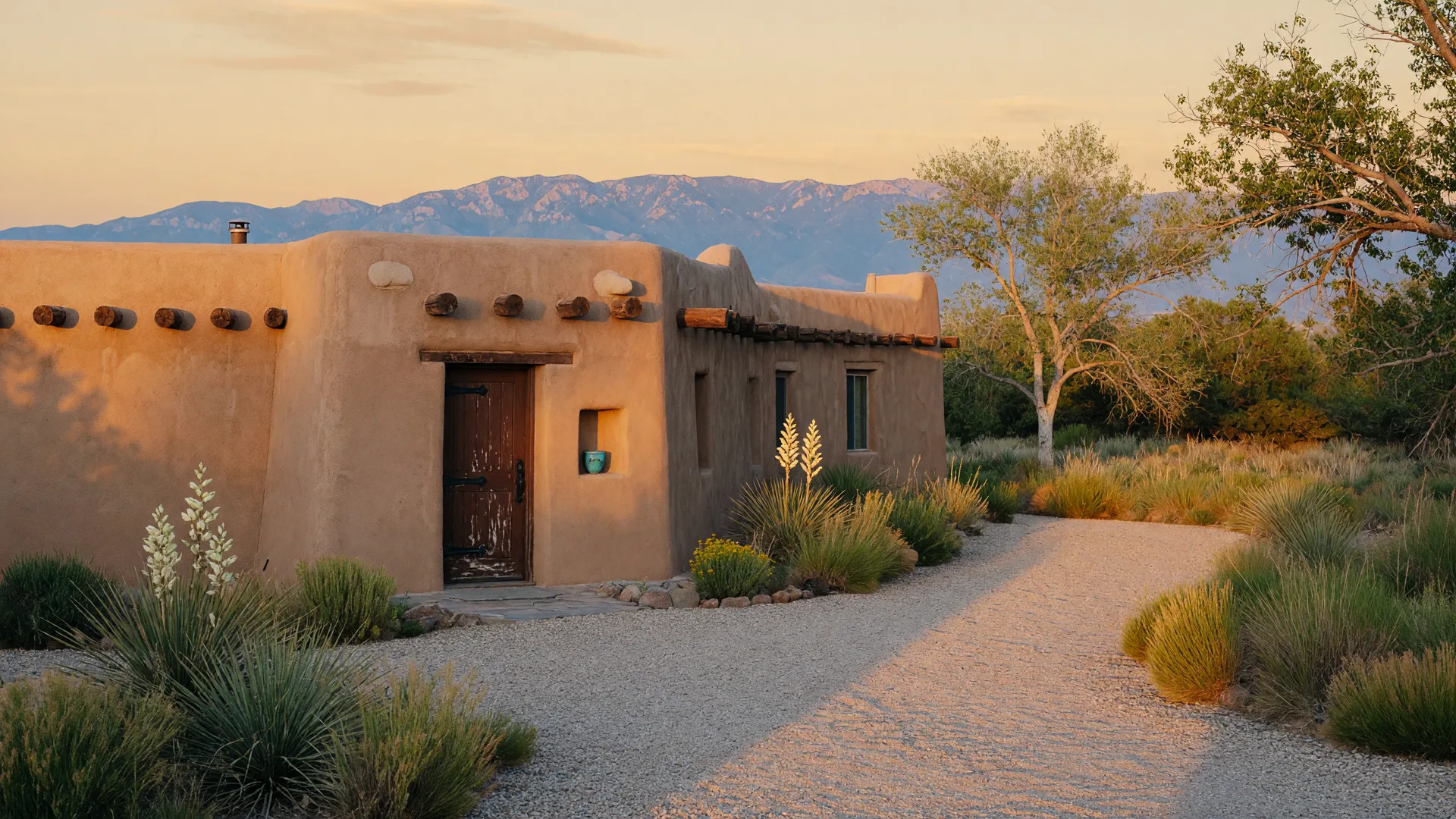
If you are reading this, you are probably carrying a lot right now. Losing someone you love is hard enough without also facing questions about the house: what happens to it, who decides, how long it takes, and whether selling it means losing a piece of the person who lived there. I want you to know that these feelings are normal, and that there is a clear, steady path through the practical side of it all. This guide is written for families in Albuquerque, Rio Rancho, Corrales, Placitas, Los Ranchos de Albuquerque, and the surrounding New Mexico communities, and it is meant to be read slowly, with a cup of coffee, whenever you are ready.
1. Give Yourself Permission to Go Slowly
The first thing to understand is that nothing has to happen this week. In the immediate aftermath of a loss, the house can sit safely while you grieve, gather, and breathe. In New Mexico, a probate case must generally be filed within three years of the date of death, so the clock is far more forgiving than it feels. The home is an asset, and it can be preserved while you decide what comes next. The first weeks are for family, not for for-sale signs.
That said, a little gentle action goes a long way. Making sure the home is locked, the utilities stay on, and the yard is maintained protects the estate while you take your time. Small steps now prevent big problems later, and they give you the freedom to decide from a place of peace rather than pressure.
2. What Actually Happens to the Home After a Loss
Legally, the home does not change hands the moment someone passes away. It becomes part of the estate, and the estate's personal representative holds authority over it once the court formally appoints them. If there is a will, the court issues Letters Testamentary; if there is not, it issues Letters of Administration. Until those letters are in hand, no one can list the home, sign a purchase contract, or transfer title. That is not a roadblock, it is a safeguard: it makes sure the right person, with the court's blessing, is making the decisions.
For smaller estates, New Mexico offers shortcuts such as the small estate affidavit, which can avoid a full probate in some situations. For everything else, the first weeks after a loss follow a predictable pattern: the estate is opened, the personal representative is appointed, and the family begins making decisions with the guidance of professionals.
3. The Emotional Work: Clearing a Lifetime of Memories
Sorting a loved one's belongings is often the hardest single task in the entire process. Every closet holds a story, and every drawer can stop you in your tracks. Go room by room, and give yourselves permission to take breaks. Photographs, letters, and heirlooms can be set aside first, before any decisions about furniture or household goods are made. What matters most is that you keep what is meaningful and let the rest go without guilt.
When siblings are involved, it helps to talk early about who values what. One person may treasure the dining table while another wants only the old photographs, and that is exactly how it should work. For the items no one wants, estate sales and donation pickups are gentle ways to find them new homes. The guide to personal property in a New Mexico probate walks through the allowances and practical details, including how household contents are handled before a sale.
4. The Practical Work: Protect the Home While You Decide
While you take your time emotionally, a few practical habits protect the estate's value. Change the locks if keys are unaccounted for, keep utilities connected, keep the homeowner's insurance in force, and check on the property regularly. In New Mexico's climate this matters more than people expect: a frozen pipe in a Placitas winter or a monsoon-season roof leak in an Albuquerque summer can quietly turn a small problem into a large one.
The personal representative has a duty to preserve estate assets, and a well-kept home sells for more, in less time, with fewer surprises. If you need a deeper look at insurance, utilities, security, and maintenance, the guide to managing and maintaining a probate property covers it in detail.
5. Build Your Team Early
You do not need to become an expert in probate law, tax rules, and real estate marketing all at once. You need a small, trusted team: a probate attorney to guide the court process, a tax advisor for the numbers, and a Realtor® who understands how probate sales actually work. Each one speaks the other's language, and together they turn an overwhelming process into a series of manageable steps.
A probate-experienced agent matters more than people realize. Court timelines, heir communication, special paperwork, and the emotional weight of the sale are all part of the job. The guide to working with a probate attorney explains how the legal side is handled, and choosing the right Realtor for a probate sale covers what to look for and what to ask.

6. Price with Your Head and Your Heart
This is where grief and real estate collide most often. The home holds decades of memories, and it can feel impossible that buyers see only square footage and location. But the market speaks in its own language, and pricing a probate home correctly from the start is the single most important financial decision in the sale. An overpriced home sits, loses its fresh-listing momentum, and often sells for less in the end.
Your Realtor will prepare a comparative market analysis based on recent sales in your Albuquerque, Rio Rancho, or Corrales neighborhood, and the probate court may also require a formal appraisal to establish fair market value. Together those numbers give you a price that honors the home's real worth and attracts serious buyers. The guide to valuing a probate property explains both approaches in plain language.
7. What the Timeline Really Looks Like
Families always want to know how long this will take, and the honest answer is: longer than a normal sale, but with a rhythm you can plan around. A simple, uncontested informal probate in New Mexico typically runs about six to twelve months from start to finish. Creditors have two months from the first publication of the notice to present claims, and the personal representative must file the estate inventory within 90 days of appointment. Once the home is listed, a well-priced property in the Albuquerque metro commonly attracts offers within 30 to 60 days, and a court confirmation hearing may add a few weeks before closing.
None of this is meant to overwhelm you. It is meant to set expectations so the process never feels like it is stalling. For a deeper walkthrough of the phases and the factors that speed things up or slow them down, see how long probate takes in New Mexico.
8. The Tax Side Is Gentler Than You Expect
One of the kindest parts of inherited property is the stepped-up basis. When you inherit a home, its cost basis is generally adjusted to its fair market value on the date of death, which can significantly reduce or even eliminate capital gains tax when the home is sold. New Mexico also does not impose a state-level estate tax or inheritance tax, so the state is not taking a share of what your loved one left behind. If the property appreciates between the date of death and the sale, that gain may be taxable, so a quick conversation with a tax professional is always worth having. The tax guide for selling inherited real estate covers the details.
9. When Siblings See Things Differently
Not every family agrees on what to do with the home, and that is more common than anyone admits. One sibling may want to keep it, another may need the proceeds, and a third may simply want it settled. The best time to talk is early, before decisions harden into positions. Written agreements about how decisions will be made, who handles what, and how proceeds will be divided go a long way toward keeping relationships intact.
If disagreements become difficult, neutral help such as mediation can keep the family out of court. A court-ordered partition is a last resort, and it is worth avoiding if there is any path to agreement. The guide to dealing with multiple heirs offers practical communication strategies for exactly this situation.
10. A Gentle Checklist for the Weeks Ahead
- Take a breath. Nothing has to happen this week.
- Gather the essentials: certified death certificates, the will if one exists, the deed, mortgage statements, and insurance information.
- Secure the home, keep utilities on, and keep the insurance in force.
- Meet with a probate attorney to understand the estate and who will be appointed.
- Talk with family about the home's future, early and honestly.
- Interview a Realtor® who has guided probate sales in your area.
- Let the market and the court set the pace, not grief.
11. You Do Not Have to Carry This Alone
Selling a loved one's home is one of the most personal transactions a family will ever make. It deserves a team that treats it that way: with patience, honesty, and genuine care. Whether you are ready to list next month or are just beginning to ask questions, a conversation costs nothing and can bring real clarity. For a complete walkthrough of the process, the family guide to selling inherited property in New Mexico is a good place to start, and you can always reach out directly or schedule a consultation through my Calendly page.
Take care of yourself and your family first. The house will wait, and when you are ready, we can handle the rest together.
By Nysha Lynn Livingston, Realtor at MORE Realty.