
Not every probate estate in New Mexico includes a house. Many include vacant land: a few acres in Placitas, a lot in Sandia Heights, an undeveloped parcel in North Albuquerque Acres, or acreage along the river in Corrales. If you are the executor or a family member tasked with settling that land, this guide explains how the process works and what makes land different from selling a home.
Selling inherited land in New Mexico follows the same general probate path as selling an inherited house: the estate must be opened, the personal representative must have legal authority, the property must be valued, and the sale is completed with a deed from the estate. But land carries its own set of questions around title, mineral and water rights, access, and market value. This article walks you through each one so you can move forward with confidence. It is educational guidance, not legal or tax advice: your probate attorney and tax professional are the right people for decisions specific to your estate.
Why Inherited Land Is Different from an Inherited Home
A home has an obvious market: buyers who want to live in it. Vacant land appeals to a smaller, more specialized pool of buyers: someone building a home, a neighboring landowner looking to expand, an investor, or a developer. Fewer buyers can mean a longer timeline, and land often requires more patience and a more careful pricing strategy than a house does.
Land is also more likely to carry decades of history: a deed from a grandparent, a parcel that has been in the family for generations, or an old access agreement that was never recorded. The good news is that none of this makes the sale impossible. It simply means the estate should do its homework early, and that is exactly what a good executor does.
First: Confirm What the Estate Actually Owns
Before anything else, the estate needs a clear picture of the title. A title search tells you exactly what the estate owns and what encumbers it: the legal description, any liens, unpaid taxes, mortgages, or other claims.
- Start with the deed and legal description. The recorded deed names the owner and describes the parcel by legal description or lot and block, not just an address. Land may not have a street address at all.
- Check for liens and unpaid property taxes. Unpaid taxes, judgments, or other liens attach to the land itself and must be resolved before or at closing.
- Look for unrecorded interests. Old easements, access agreements, or leases made informally can surface later. A professional title search finds them while there is still time to address them.
- Confirm the estate truly owns the full interest. In some cases the deceased owned only part of a parcel, or only the surface rights. The title work clarifies what can actually be sold.
If the land was owned jointly, or if the estate is navigating heirs' property with ownership spread across generations, the title picture may take longer to sort out. That is normal, and it is one more reason to begin with a title company familiar with New Mexico probate sales.
Who Has the Authority to Sell: The Personal Representative
Under New Mexico's Uniform Probate Code, the personal representative has broad authority to manage and dispose of estate property. In most cases, once the court appoints the personal representative and issues Letters Testamentary or Letters of Administration, that person can sell estate real property, sign the deed, and complete the transfer.
Whether the sale needs a prior court order or a confirmation hearing depends on the circumstances of the particular estate. In a straightforward, unsupervised administration, the personal representative generally has the power to sell real estate without a court order. Court oversight becomes important in supervised administrations, when the will restricts the power to sell, or when an heir or creditor objects. Your probate attorney will tell you which path your estate is on. If you have not chosen one yet, our guide to working with a probate attorney in New Mexico can help you find the right fit.
One of the most common questions executors ask is whether the estate can sell land before probate is closed. In many cases the sale can happen while the estate is still open, with the proceeds held for the estate and distributed to heirs once debts and taxes are settled. For a fuller look at that question, see whether you can sell before the estate closes.
Value the Land the Right Way
Vacant land is valued differently from a home. There are no bedrooms or square footage to compare, and in many parts of the Albuquerque metro the recent sales that do exist are spread out, making direct comparisons harder to find. An appraiser with experience in land and rural properties is worth their weight here.
For the estate inventory, and to establish the heirs' tax basis, the property should be valued as of the appropriate date. The date-of-death value is the figure that typically grounds the stepped-up basis for capital gains purposes, so getting it right matters for the estate and for the heirs later. For the full picture on New Mexico probate valuations, our probate valuation guide and probate appraisal requirements guide walk through the options.
A few things affect a land appraisal that a home appraisal never touches:
- Access and utilities. Whether the parcel has legal road access and whether utilities are available at the lot line change its usefulness and its value.
- Topography and views. Buildable, level ground with mountain views and good exposure sells for a different price than a steep north-facing slope.
- Zoning and land use. What the property can be used for, from residential to agricultural to commercial, shapes who can buy it.
- Comparable land sales. The appraiser looks at sales of similar parcels in the same area, adjusting for size, location, and views.
In neighborhoods like Sandia Heights, Four Hills, and parts of Volterra, estate land often sits next to developed homesites, and an appraiser who knows those foothill markets will produce a far more defensible report than one who mostly prices city lots.
The Three Big Law Questions: Minerals, Water, and Access
For homes, the title chain is the main legal question. For land in New Mexico, there are three big ones, and all three should be resolved before the parcel is listed. None of them is a dealbreaker, but each can surprise an estate that does not look for it.
Mineral Rights: Does the Estate Own What Is Underneath?
In much of New Mexico, the mineral estate was separated from the surface estate years or decades ago. The family may have always assumed the land came with what is underneath, only to find the deed severed the minerals at some point in the past.
When minerals are severed, the estate may own the surface only, while the mineral owner holds the right to explore and develop what lies below, often under a lease. Sand, gravel, and stone are rarely severed, but oil, gas, and metals commonly are. The title search will spell out exactly what the estate owns, and the sale contract should state it plainly. This is not a question to guess at: it changes what the estate has the right to sell and how the land should be marketed.
Water Rights: They Do Not Automatically Move with the Deed
New Mexico's surface water and groundwater are public waters, managed under the prior appropriation system by the Office of the State Engineer. Water rights can be extremely valuable, in some cases worth more than the land itself, but they do not automatically transfer when land changes hands unless they are documented and conveyed expressly.
If the parcel has a well, the estate should confirm the well has a valid permit. If it has irrigation or other water rights, the records should be located and the rights described in the sale documents. Buyers of New Mexico land do their homework on water, and a parcel with clean, documented water records is far easier to sell than one where the rights are unclear. For a deeper background on how these rights work, see what water rights are in New Mexico.
Access: A Landlocked Parcel Is a Hard Sell
Legal access is everything for vacant land. A parcel with no deeded road access is landlocked, and landlocked land has a very small buyer pool, a lower value, and real financing challenges. New Mexico law recognizes easements by necessity and other access arrangements, but the strongest position for a sale is a recorded easement, a deeded right-of-way, or frontage on a public road.
New Mexico's seller disclosure rules require the estate to disclose known material facts about access, including road access or the lack of it, utility availability, and environmental conditions. An honest, complete disclosure protects everyone, and it keeps the sale from coming apart after a buyer's due diligence.
What It Costs to Hold the Land While the Estate Is Open
Land may sit quietly, but it is never free. While the estate is open, the personal representative is responsible for keeping the basics current:
- Property taxes. Unpaid taxes accrue interest and become a lien against the land. Keep them current while the estate is open, and they will be prorated at closing. Our guide to property taxes during probate covers who pays when.
- Liability and insurance. An estate that owns land has liability exposure for what happens on it. A basic liability policy and reasonable care, such as keeping gates and fences in good order, protect the estate.
- Maintenance and appearance. Overgrown weeds, broken fences, and trash invite problems and hurt the eventual sale. Modest upkeep keeps the parcel presentable.
- HOA or association dues. If the parcel sits in a planned community such as parts of Rio Rancho, dues and covenants continue to apply, and unpaid assessments become a closing issue.
These carrying costs are one reason estates sometimes choose to sell sooner rather than later. If the heirs are weighing whether to keep the land, sell it, or pass it along, our sell, keep, or rent an inherited property guide offers a framework that works for land too.
Selling the Whole Parcel vs. Dividing It Among Heirs
If several siblings or cousins inherit one parcel, the big decision is often whether to sell it whole and divide the proceeds, or divide the land itself. In most cases selling the whole parcel is simpler and more profitable: a single buildable parcel is worth more than several small slices, and dividing land usually means county subdivision review, new surveys, and additional cost.
When heirs cannot agree on whether to sell or how the proceeds should be split, New Mexico law provides paths such as a partition action to resolve co-ownership fairly. Our guide to partition actions and dealing with multiple heirs walk through how these situations play out, and how an experienced agent can help keep everyone focused on a practical path forward.
Bringing Land to Market Around the Albuquerque Metro
Land listings across the metro each have their own buyer pool, and each market rewards a different approach:
- Albuquerque's foothills and east side. From High Desert to Glenwood Hills and beyond, estate land competes with buildable homesites and custom builders. Foothill views, level building pads, and utility access drive interest.
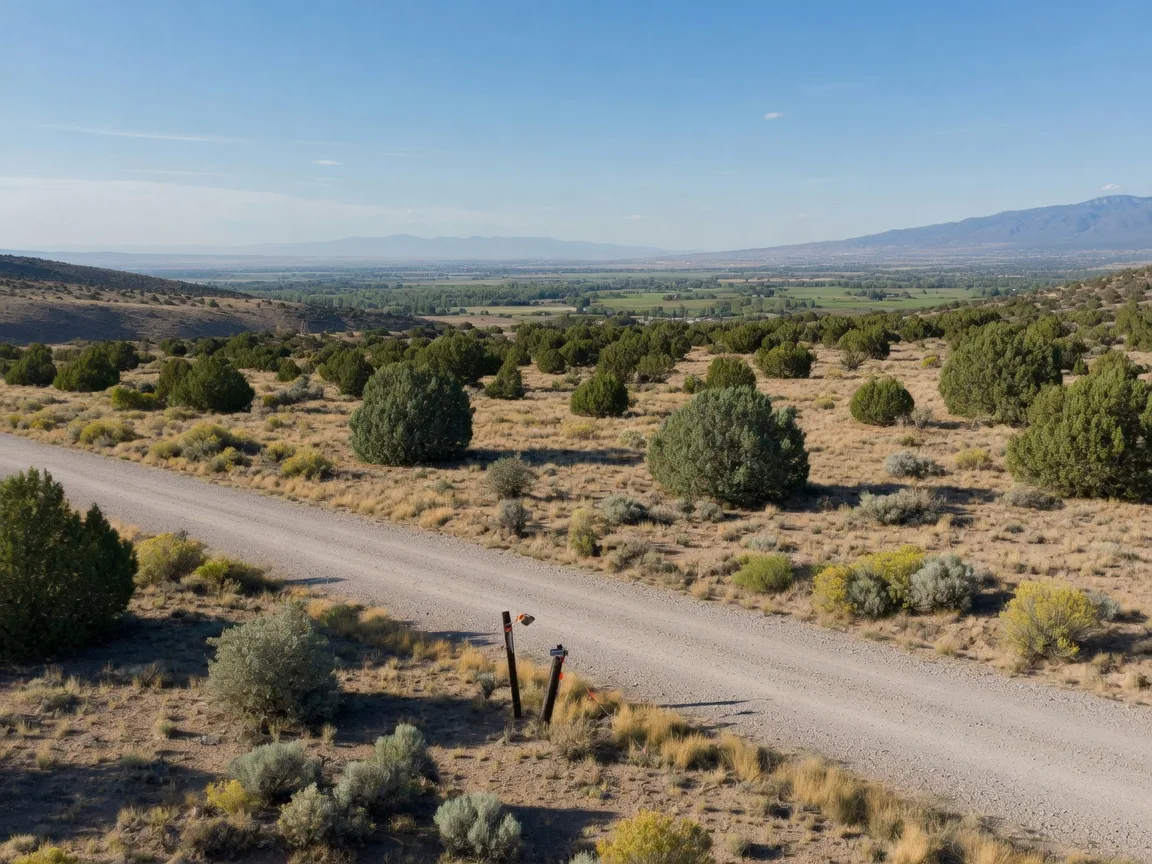
- Placitas. High-desert viewsheds, mature piñon and juniper, and proximity to the Sandias draw buyers looking for acreage with a sense of place. Rural parcels here reward patience and accurate disclosure of access and wells.
- Corrales. River-adjacent acreage and village land carry their own character, with water, access, and agricultural considerations front and center.
- Rio Rancho and the West Side. Newer subdivisions and planned communities mean more lots with utilities at the line, covenants, and association rules that shape who can build what.
A land-savvy listing agent photographs the parcel at the right time of day, describes it with a survey map and legal description, prices it against genuine land comparables, and markets it to the people who actually buy land: local builders, neighboring owners, and long-term investors as well as future homeowners.
Common Mistakes to Avoid with Inherited Land
- Skipping the title search. Unknown mineral severances, old easements, and quiet liens are exactly what the title search exists to find.
- Guessing at value. Pricing land against home sales, or against one distant land sale, produces a wrong number. Use local land comparables and a qualified appraiser when the estate needs a formal value.
- Ignoring access. If the parcel is landlocked, say so early, price accordingly, and work on the access question before marketing.
- Letting taxes and dues lapse. Small unpaid amounts grow into liens that complicate closing and shrink what the heirs receive.
- Failing to disclose known issues. New Mexico requires honest disclosure of material facts, and a hidden problem almost always resurfaces during a buyer's due diligence.
- Assuming the sale needs court approval. Many estates do not require a hearing for a straightforward land sale, and assuming otherwise can stall the process. Let your attorney confirm what your estate requires.
For a broader list of the traps that slow estates down, see our common mistakes to avoid during probate guide.
Frequently Asked Questions About Selling Inherited Land in New Mexico
Does inherited land have to go through probate?
Can the personal representative sell the land before the estate closes?
Why does the buyer care about mineral rights?
How is vacant land priced when there are few comparable sales?
What happens to the proceeds after the land sells?
Related Probate Resources
For more guidance on probate and inherited property in New Mexico, explore these resources:
- Probate Real Estate Services in Albuquerque: Nysha's comprehensive guide to selling probate property in New Mexico
- Executor's Guide to Selling Inherited Real Estate: a practical checklist for executors handling estate property
- How to Value a Probate Property in New Mexico: appraisal types, CMAs, pricing strategies, and valuation dates
- Clearing Title on Inherited Property in New Mexico: liens, title searches, and what slows a clean closing
- Working with a Probate Attorney in New Mexico: why legal guidance matters and how to choose the right attorney
- Probate Court Procedures in New Mexico: a step-by-step walkthrough of the court process
- Tax Implications of Selling Inherited Real Estate: capital gains, stepped-up basis, and what heirs should know
By Nysha Lynn Livingston, Realtor at MORE Realty.
Schedule a free consultation with Nysha.
Whether you are an executor, heir, or family member navigating probate in Albuquerque, Rio Rancho, Corrales, Placitas, or anywhere in New Mexico: Nysha Lynn Livingston, ABR, AHWD, CBDA, CLE, CNHS, CRS, MCNE, and RCC, can guide you through every step.